
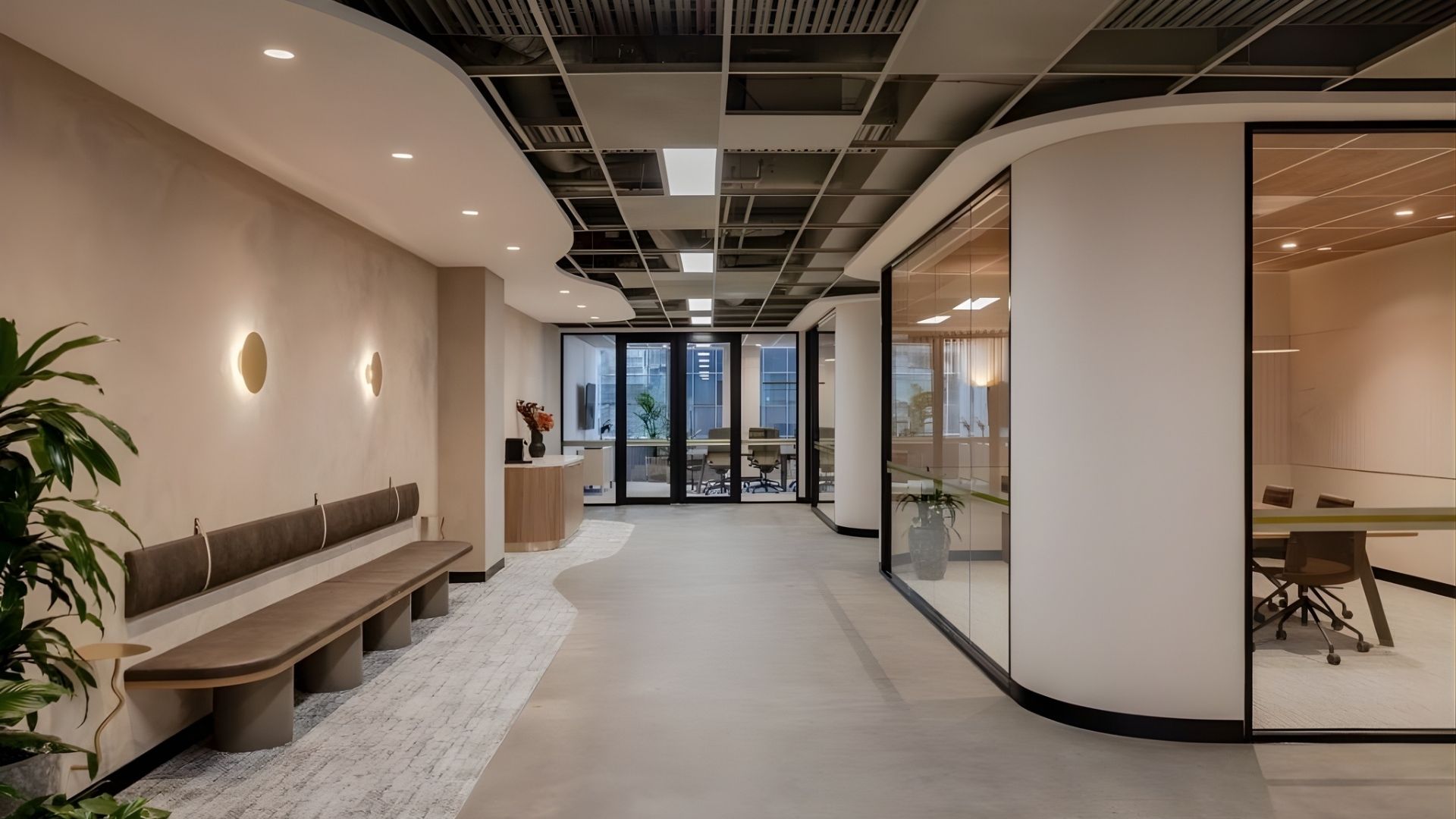
Step into any office, and you can feel the culture instantly—long before reading a mission statement. It’s reflected in how people interact, where they gather, and how they work. The energy of a space, the flow of movement, and even the placement of leadership all communicate what a company truly values.
In today’s competitive landscape, office interior design in Singapore is no longer just about aesthetics. It is a strategic tool that directly influences workplace culture, employee engagement, and business performance.
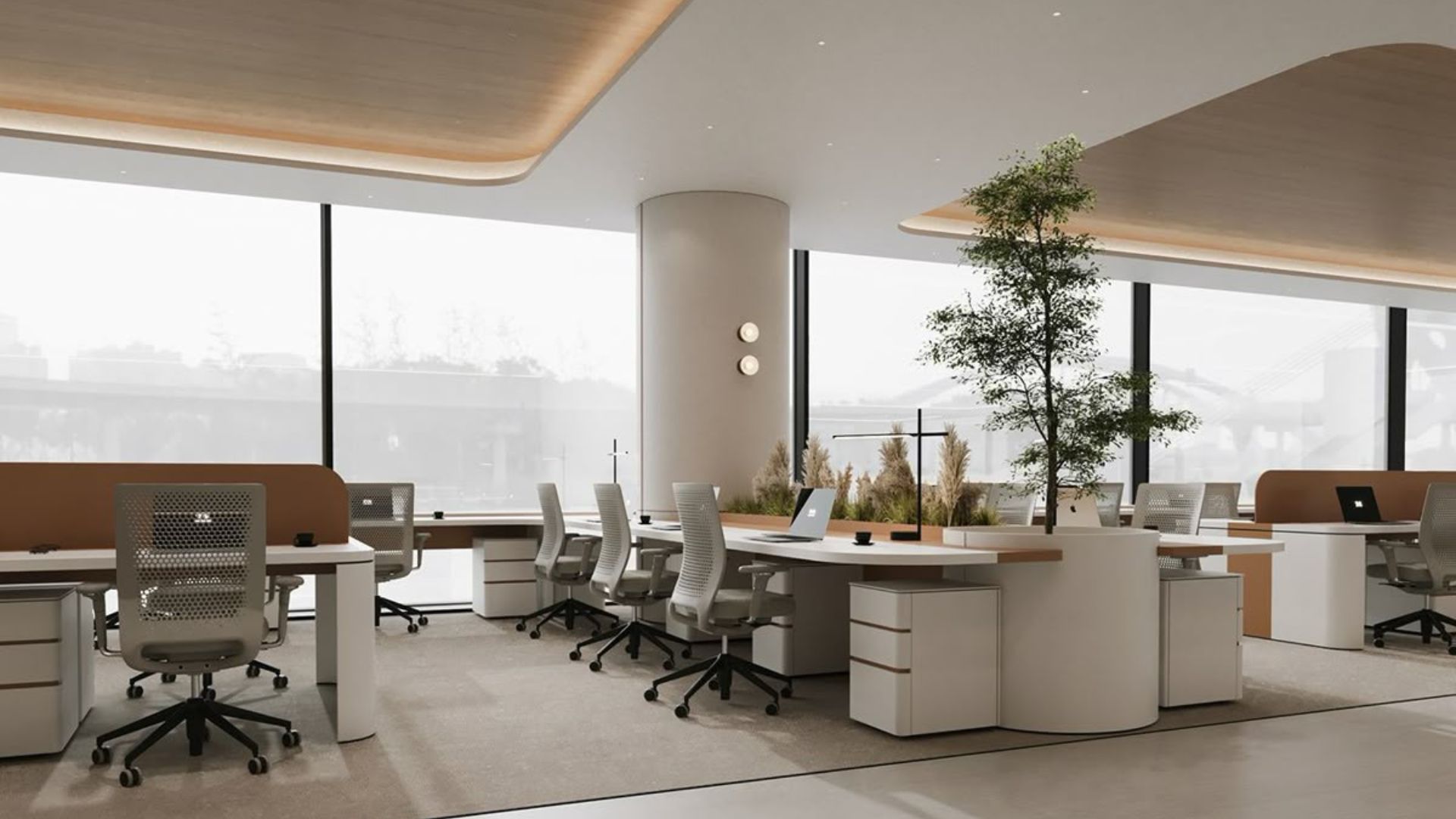
Modern workplace design goes beyond visual appeal. It acts as a behavioural framework that shapes how employees think, collaborate, and perform.
Every design decision—from layout and lighting to furniture and acoustics—either supports or contradicts the culture a company wants to build.
A well-designed office can:
On the other hand, poor design can quietly create friction, disengagement, and inefficiency.
Culture is often described as “how things are done.” Your office is where that culture becomes visible every day.
For example:
Corporate office interior design must align with real behaviours—not just intentions.
Every office sends signals—whether intentional or not. Here are the most impactful ones:
Glass walls promote openness and trust
Closed offices reinforce hierarchy and control
Leaders seated within teams signal approachability
Separate executive zones create distance
Collaborative zones build connection and teamwork
Fixed seating and silos limit interaction
Open circulation encourages spontaneous collaboration
Poor flow creates isolation and inefficiency
Employees and visitors subconsciously read these cues. When aligned, they strengthen trust and engagement. When misaligned, they create confusion and disconnect.
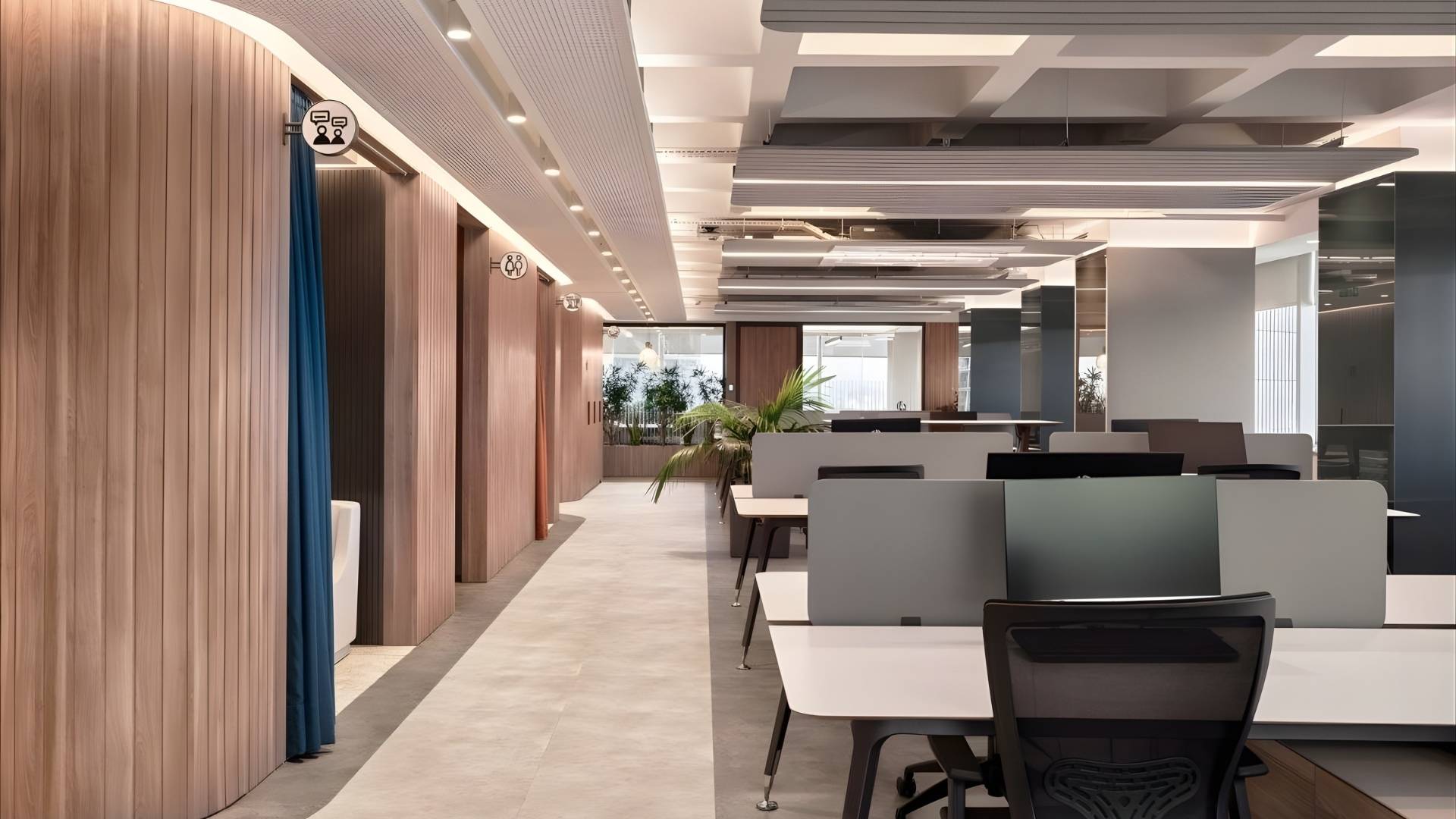
Beyond physical design lies the emotional experience of a workspace.
These subtle elements shape daily experiences—and ultimately define workplace culture.
A well-designed office doesn’t just look good. It feels right.
Misalignment between design and culture creates friction.
For example:
These contradictions weaken trust and lead to disengagement.
Authentic workplace culture only exists when office design reflects real company values.
To build a culture-driven workplace, design must be intentional.
Go beyond branding statements. Understand how your teams actually work.
Turn abstract values into physical elements:
Great design allows behaviours to happen naturally—without forcing them.
Modern offices must be flexible to support changing work styles and business growth.
Workplace culture and office design are constantly influencing each other.
Companies that invest in flexible, future-ready spaces are better positioned to evolve, innovate, and retain talent.
A static office, however, risks locking in outdated habits.
Culture isn’t written on the walls—it’s built into them.
Every meeting room, corridor, and shared space sends a message about your company:
The real question is not whether your office design communicates—but what it is saying, and whether it aligns with your vision.
Workplace Insights is a thought leadership series by Nicholas Sik, sharing perspectives on how workplace design shapes culture, performance, and business outcomes.
If you’re looking to elevate your office interior design in Singapore, now is the time to align your space with your culture.
👉 Schedule your consultation and start building a workplace that truly works.